
__________
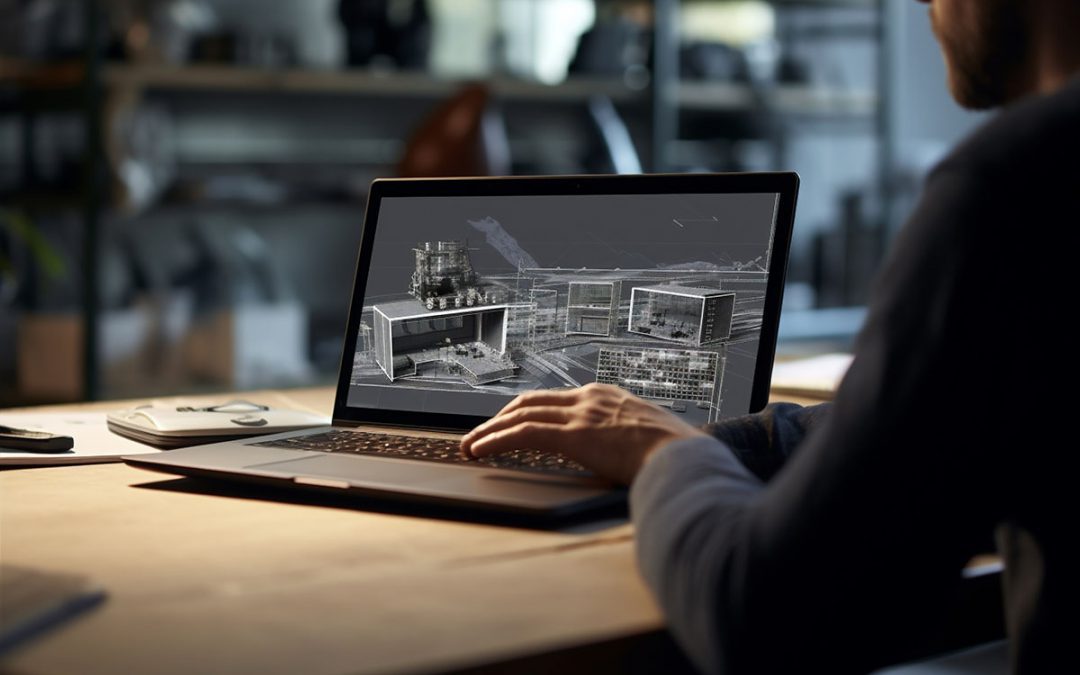
The main objective was to develop a verification model for construction work that allows obtaining precise information for certification processes through the use of augmented reality and BIM digital twins.
__________
The project “Construction certifications using digital twins through augmented reality” has culminated in resounding success. This project, funded through the support program for Innovative Business Groups (AEI) by the Ministry of Industry, Trade, and Tourism, aims to develop a work verification model for construction projects. The model will enable the acquisition of precise information to carry out certification processes using augmented reality and BIM digital twins.
Among the main objectives of this project are to simplify and shorten verification tasks on-site, identify and anticipate design or construction errors to avoid rework, and enable companies to save on costs, time, labor, and materials, thereby increasing their profitability and competitiveness.
The project has had the outstanding participation of Avantek, a company belonging to CT Solutions and a Partner of Siemens Digital Industries Software, Yoy Simulators, Ingenium, and the ASTURIAN INNOVATION CLUB – INNOVASTURIAS. These companies have contributed their experience and knowledge in developing technological solutions that combine augmented reality and BIM digital twins, resulting in an innovative project with significant impact in the construction sector.
During the development process, work has been done to create a work verification model that allows for real-time virtual visualization of construction elements through augmented reality. This facilitates the early detection of potential errors or deviations, thereby optimizing the certification process and minimizing costly rework.
In addition, the use of BIM digital twins has allowed construction and design teams to collaborate more efficiently, sharing information and avoiding inconsistencies or misinterpretations. Furthermore, this technology has provided the ability to simulate and predict the project’s behavior before its construction, which helps improve planning and reduce time, costs, risks, personnel transfers on site, as well as the reduction of the carbon footprint.
Thanks to the results obtained in this project, it is expected that companies in the construction sector will be able to implement these technological solutions for certification of works based on digital twins and augmented reality, achieving greater efficiency, cost reduction, and a significant increase in their competitiveness in the market.
–